Endpoint Security
Best Enterprise Browsers and Browser Security Platforms in 2026
Extension allowlists are not an enterprise browser. RBI is not either.
Chrome Enterprise Core manages policies and extensions at $0. Premium adds DLP and real-time Safe Browsing at $6 per user monthly.
That green ExtensionSettings allowlist is the wrong assumption for this category. It still sits inside the consumer browser a contractor already runs on a personal laptop. Force-installing forty approved IDs does not give you watermarking on an unmanaged device, a remote-rendered untrusted tab, or last-mile DLP on the GenAI paste the user just tried.
Enterprise browsers replace or harden the work browser itself. Extension-layer platforms keep Chrome or Edge and add visibility and controls. Remote browser isolation runs the page somewhere else and streams pixels. Managed Chrome Premium is the policy seat when the fleet already lives in Google Admin. Mixing those four jobs on one RFP is how you buy a second dashboard and still leak the clipboard.
Island and Prisma Access Browser cover dedicated work browsers. Seraphic hardens any browser with an agent. Chrome Enterprise Premium is the managed Chrome tier. LayerX is the extension-layer seat. Cloudflare Browser Isolation is the RBI path.
How we evaluated
We read first-party product pages, public SKUs, acquisition notices, and docs. We asked whether the product ships a new browser binary, hardens the browser the user already has, or isolates rendering off-device. We checked BYOD and contractor stories, clipboard and download controls, extension governance, GenAI guardrails, and whether the seat assumes an existing SASE or IdP. Marketing pages count as claims, not as proof two products close the same hole.
| Tool | Best for | What to check |
|---|---|---|
| Island | Dedicated enterprise browser for BYOD and VDI reduction | Commercial · Chromium work browser · quote |
| Prisma Access Browser | Enterprise browser inside a Palo Alto SASE stack | Commercial · formerly Talon · SASE-tied |
| Seraphic | Harden any browser without a forced switch | Commercial · CrowdStrike acquiring · agent |
| Chrome Enterprise Premium | Managed Chrome DLP when the fleet is already Chrome | $6/user/mo · Core free · Google Admin |
| LayerX | Extension-layer last-mile DLP and AI usage control | Commercial · Akamai · Chrome/Edge extension |
| Cloudflare Browser Isolation | Remote browser isolation for untrusted web and links | Commercial · edge RBI · Zero Trust add-on |
Island
Best for a dedicated enterprise browser on BYOD and VDI reduction
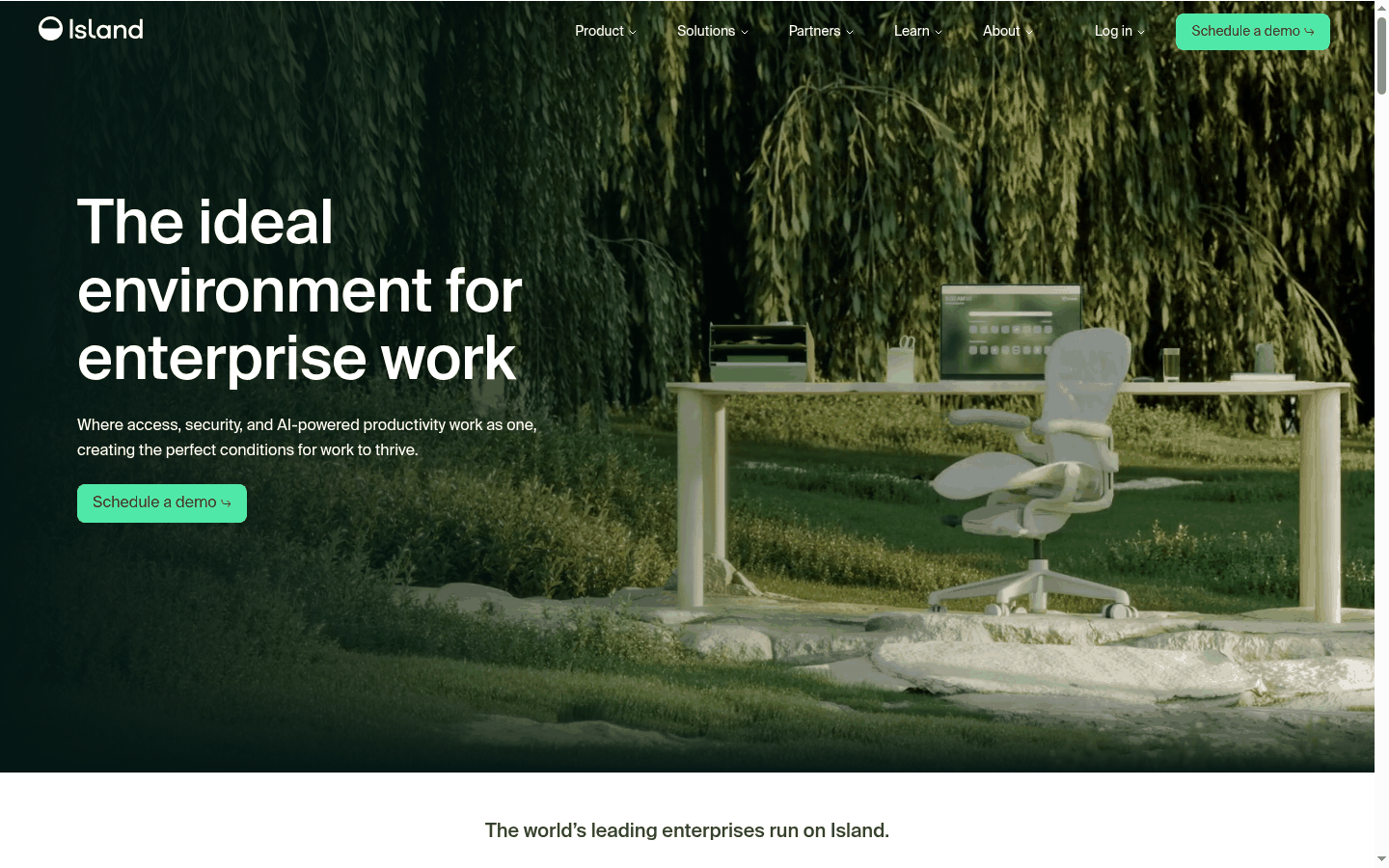
Island ships a Chromium-based work browser with security, access, and productivity controls built into the client. First-party pages pitch contractor onboarding, BYOD without full MDM, VDI reduction, privileged-user sessions, and GenAI guardrails inside the same work profile.
The product story is a secure workspace users log into, not a policy pack layered on personal Chrome. That is the category center when procurement wrote “enterprise browser” and meant a second browser binary with watermarking, clipboard rules, and session audit.
Key features:
- Dedicated Chromium enterprise browser for managed and unmanaged devices
- Data controls on copy, paste, download, print, and screen capture
- Contractor and BYOD onboarding without a full VDI estate
- First-party GenAI and SaaS visibility inside the work browser
Why we like it:
When the hole is an unmanaged laptop that still needs a locked work session, a dedicated browser is the honest architecture. Island owns that seat without requiring a Palo Alto SASE relationship.
Limits:
Commercial and quote-only on the pages we read. Users must switch browsers for work. Adoption friction is the recurring community objection, not feature depth.
License or pricing: Commercial. Demo and quote CTAs. No public per-seat list price on the pages we read.
Prisma Access Browser
Best for an enterprise browser already tied to Prisma SASE
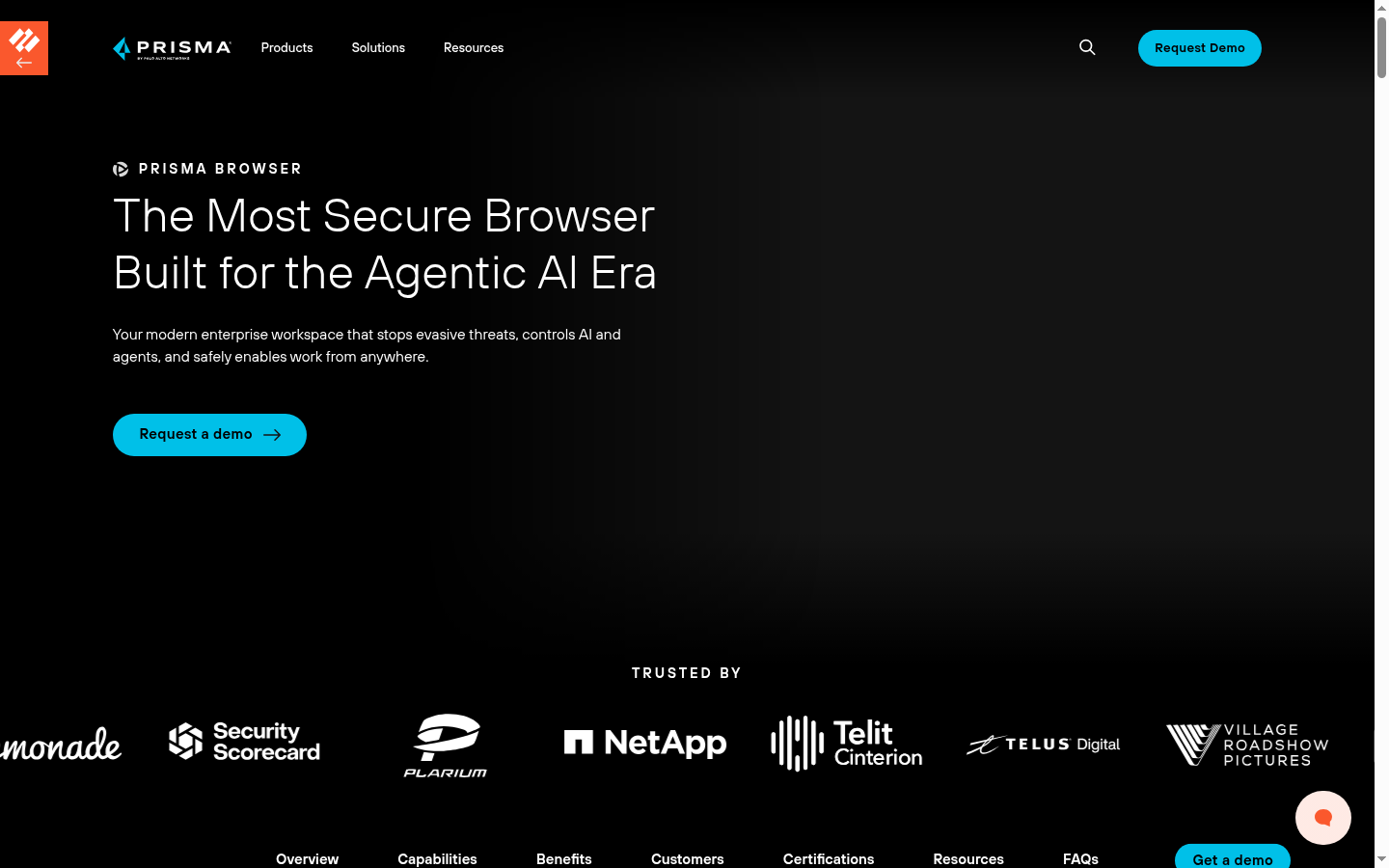
Prisma Access Browser is the Talon enterprise browser after the Palo Alto Networks acquisition, now sold inside the Prisma SASE family. First-party pages describe a dedicated desktop browser, a browser extension path, and a mobile app, with WildFire, enterprise DLP, and identity controls wired into the same stack.
If the estate already runs Prisma Access, the browser becomes an extension of that investment rather than a standalone category bet. Treat the Talon brand as historical. Buyers evaluating “Talon” in 2026 are evaluating Prisma Browser.
Key features:
- Chromium enterprise browser integrated with Prisma Access
- Native DLP, WildFire malware prevention, and identity controls
- Desktop browser, extension, and mobile deployment paths
- Positioned for unmanaged and BYOD access without full VDI
Why we like it:
Stack buyers get one vendor narrative from ZTNA to the last browser tab. That consolidation is the product when Talon-as-standalone is no longer the RFP.
Limits:
Commercial and typically SASE-tied. Teams without Palo Alto elsewhere should compare Island on a clean enterprise-browser shortlist rather than inheriting a platform tax.
License or pricing: Commercial. Sold with Prisma Access / Prisma Browser packaging. Confirm current SKU with Palo Alto; public pages are demo-led.
Seraphic
Best for enterprise browser security on the browsers users already run
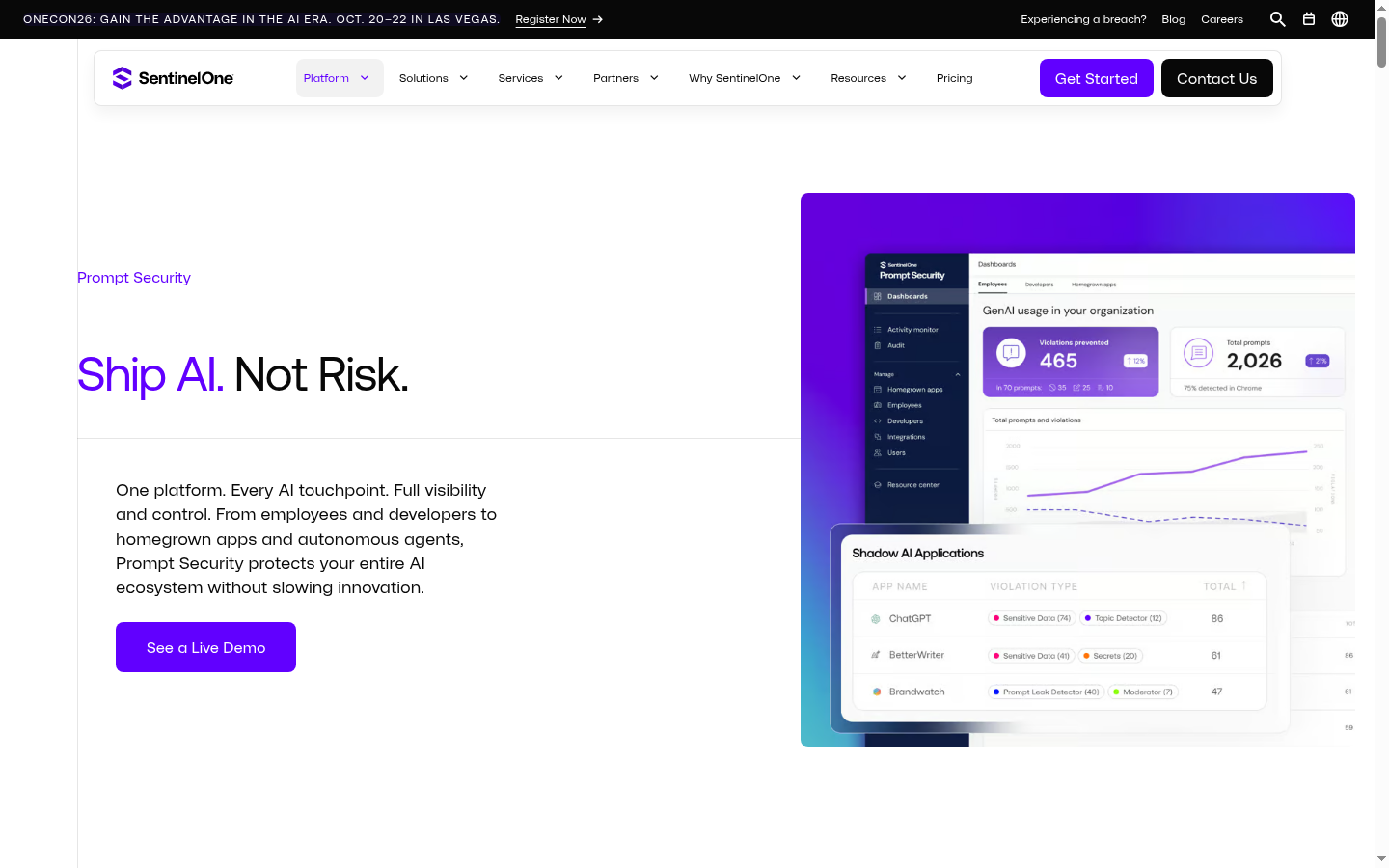
Seraphic markets a browser security platform that turns Chrome, Edge, Firefox, or Safari into a governed work surface without forcing a new binary. First-party pages emphasize phishing and malware blocking, clipboard and download DLP, AI interaction controls, and VPN/VDI reduction from a single agent.
CrowdStrike announced it would acquire Seraphic in January 2026. The product remains a live category seat. Expect the long-term packaging to move toward CrowdStrike’s endpoint narrative while the current pitch stays “any browser.”
Key features:
- Single agent across mainstream browsers and device types
- In-browser threat prevention plus data controls
- AI usage visibility and prompt/data guardrails
- Positioned against VDI, VPN, and classic RBI cost
Why we like it:
When political reality says users will not switch browsers, an agent that hardens the existing stack is the honest path. Seraphic’s pages lean into that without pretending to be Island.
Limits:
Commercial and quote-only. Acquisition integration can change packaging and roadmap. Depth of control still differs from a dedicated enterprise browser binary.
License or pricing: Commercial. Demo CTAs. CrowdStrike acquisition announced January 2026; confirm current packaging.
Chrome Enterprise Premium
Best for DLP and threat controls when the fleet is already Chrome
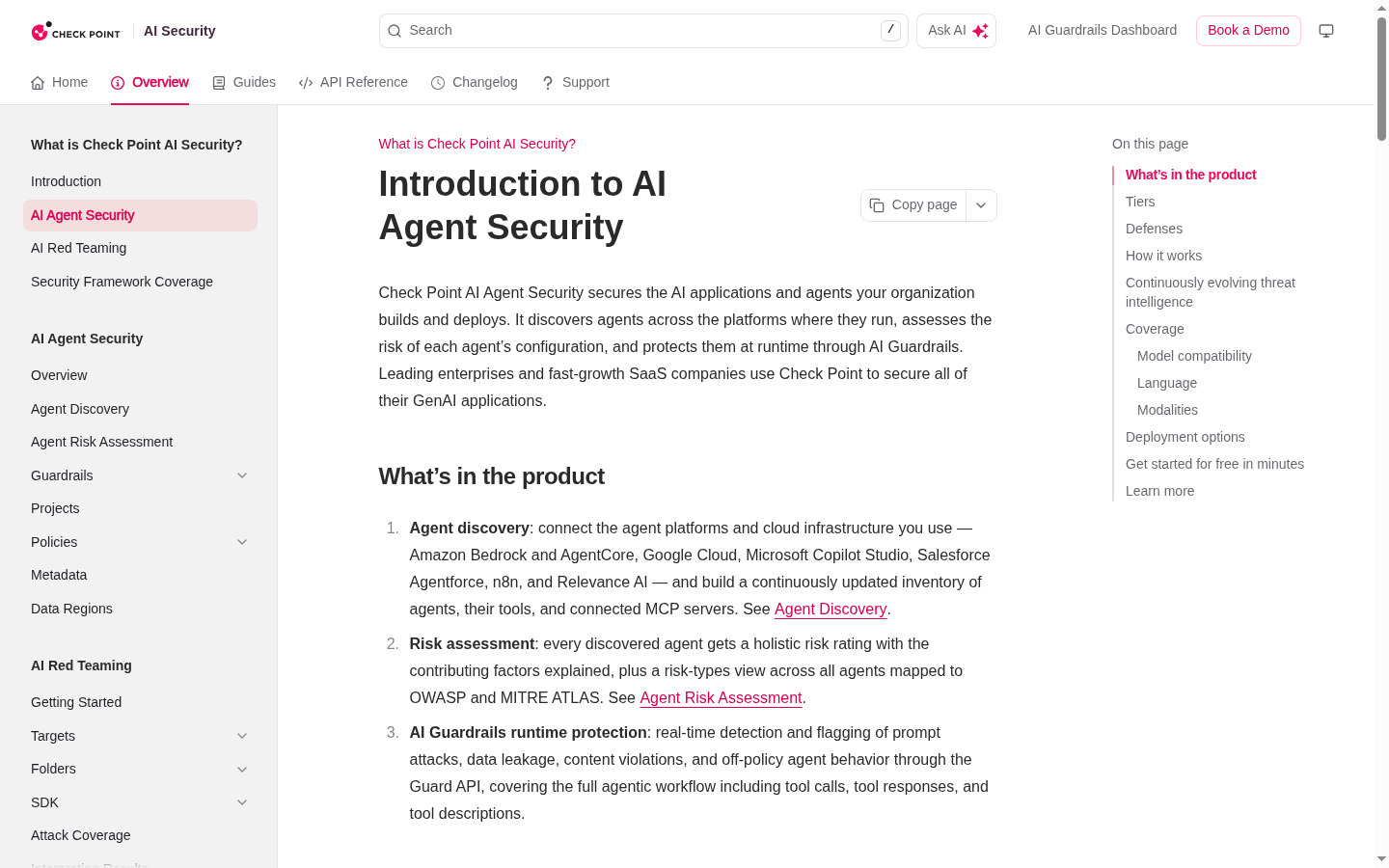
Chrome Enterprise Core gives cloud management, extension controls, and reporting at $0. Premium adds DLP, real-time Safe Browsing, malware deep scanning, URL filtering, context-aware access, and security insights Google lists at $6 per user monthly on the public comparison table.
This is the managed-browser policy seat, not a second browser brand. Teams already on Google Admin and Chrome should start here before paying for a dedicated enterprise browser they cannot force users onto.
Key features:
- Cloud policy and extension management (Core)
- DLP for sensitive data and unsanctioned AI tools (Premium)
- Real-time malware and phishing protections (Premium)
- Context-aware access to SaaS and private apps via Chrome
Why we like it:
Transparent public SKUs. The Core-to-Premium ladder makes the wrong-assumption test concrete: if Premium still cannot cover unmanaged personal profiles, you need Island, Seraphic, LayerX, or RBI next.
Limits:
Bound to Chrome’s policy surface. Not a full dedicated enterprise browser for deep watermarking and session recording stories Island sells. Unmanaged devices outside Google Admin stay a gap.
License or pricing: Chrome Enterprise Core free. Premium listed at $6 per user monthly on Google’s public table.
LayerX
Best for extension-layer last-mile DLP and AI usage control
LayerX deploys as a browser extension and interaction security layer across Chrome, Edge, and related surfaces. First-party pages emphasize shadow AI discovery, GenAI DLP, extension risk scoring, SaaS last-mile controls, and BYOD access without routing traffic through a new proxy.
Akamai acquired LayerX. Google also lists LayerX as an extension security partner for Chrome Enterprise. That pairing makes LayerX the natural adjacent seat when Chrome Premium covers management but you still need last-mile interaction guardrails.
Key features:
- Lightweight extension on existing browsers
- AI usage discovery and GenAI DLP
- Browser extension inventory and risk-adaptive rules
- SaaS and BYOD last-mile controls without a browser switch
Why we like it:
It names the exact gap extension allowlists leave: users paste secrets into GenAI and install risky add-ons inside an otherwise managed browser. LayerX is built for that last mile.
Limits:
Commercial and quote-only. Extension-layer depth is not the same as a dedicated enterprise browser’s native enforcement. Akamai packaging may change how the seat appears in RFPs.
License or pricing: Commercial. Demo CTAs. Available via Google Cloud Marketplace per LayerX’s Chrome partnership pages.
Cloudflare Browser Isolation
Best for remote browser isolation of untrusted web and links
Cloudflare Browser Isolation runs browsing on Cloudflare’s edge and streams a remote session to the user. First-party pages position it for ransomware and zero-day insulation, conditional isolation by app or risk, phishing-link isolation, and third-party access from unmanaged devices.
This is RBI, not an enterprise browser binary. Put it on the shortlist when the threat model is “do not execute that page locally,” not when the goal is “replace Chrome for every SaaS tab.”
Key features:
- Remote Chromium sessions at the Cloudflare edge
- Policy-driven isolation by application, site risk, or data controls
- Native Zero Trust / SASE integration on Cloudflare One
- Clientless and endpoint-aware deployment paths
Why we like it:
It forces the architecture conversation the category needs. Isolation latency and trust-in-SaaS tradeoffs are real, and Cloudflare documents the RBI job without cosplaying as Island.
Limits:
Commercial Zero Trust add-on. Not a full daily driver replacement for every SaaS workflow. Community threads still argue about trusting a hosted remote browser with session content.
License or pricing: Commercial. Sold with Cloudflare Zero Trust / SASE. Confirm current add-on packaging.
How to choose an enterprise browser
Four questions before the quote. Names below are the shortlist, not a scored bake-off.
| Critical question | Why it matters | What to evaluate | Red flag |
|---|---|---|---|
| Must users keep their current browser? | Switch friction kills dedicated-browser rollouts. | Seraphic or LayerX if no switch. Island or Prisma Browser if you can mandate a work binary. Chrome Premium if the fleet is already managed Chrome. | An enterprise-browser RFP when political reality only allows an extension. |
| Is the hole untrusted web code or data leaving a trusted tab? | RBI and enterprise browsers solve different failures. | Cloudflare Browser Isolation for code off-device. Island, Prisma, Seraphic, or LayerX for clipboard, download, and GenAI DLP. | Buying RBI to solve GenAI paste leakage on sanctioned SaaS. |
| Do we already own a SASE or IdP stack? | Stack gravity decides packaging. | Prisma Browser with Prisma Access. Cloudflare RBI with Cloudflare One. Chrome Premium with Google Admin. Island when you want a browser-first independent seat. | A second control plane fighting the same identity policies. |
| Are contractors and BYOD in scope? | Unmanaged devices break ExtensionSettings confidence. | Island, Prisma Browser, Seraphic, LayerX, or RBI for unmanaged paths. Chrome Premium alone for enrolled Chrome only. | Assuming Core policies cover personal profiles. |
What we left out
- Microsoft Edge for Business: the managed Edge pattern is covered by the Chrome Enterprise Premium seat on this page.
- Menlo Security, Ericom, and Zscaler Browser Isolation: RBI is represented by Cloudflare Browser Isolation.
- SURF Security, SquareX, and BrowserBox: smaller or commercialized options that did not clear the six-seat cut.
What practitioners argue about enterprise browsers
Live threads keep returning to the same split: Chrome and Edge already ship enterprise policy, dedicated browsers add deeper DLP at the cost of a switch, and RBI is a different trust model because someone else renders the page.
Hacker News · Sep 2025
“Enterprise browsers are an existing category, and even Google offers an enterprise version of Chrome.”
The same split still shows up in 2025 threads: managed Chrome/Edge policy is not new, while dedicated browsers still sell deeper session controls than admin templates alone, especially for unmanaged contractor devices Google Admin never enrolled.
Information Security Stack Exchange · 2025
“Companies employing ‘Enterprise Browser’ will almost always have endpoint protection software too… conditional access policies… allow login into an account only from within an appropriate enterprise browser.”
The thread treats the browser as an identity signal, not only a DLP box. That is why Island and Prisma Browser show up next to IdP conditional access, not next to SWG feature grids.
Information Security Stack Exchange · 2019
“RBI is a remote virtual browser on which the user’s browsing is executed, safely isolated from his device. This effectively neutralizes any browser borne threat.”
From the secure-browsing-without-limiting-the-browser thread. The dissenting cost is latency and trusting the isolation host with session content, which is why Cloudflare and self-hosted RBI debates stay separate from enterprise-browser RFPs.
If you can mandate a work browser, start with Island or Prisma Access Browser. If users keep Chrome or Edge, shortlist Seraphic or LayerX and decide whether Chrome Enterprise Premium already covers the managed core. Put Cloudflare Browser Isolation on the quote when the page itself must not execute on the endpoint.
FAQs
Is Chrome Enterprise Premium an enterprise browser?
It is Google’s managed Chrome security tier with DLP and threat controls. It is not a separate dedicated enterprise browser binary like Island or Prisma Access Browser.
Is Talon still a product name?
Talon Cyber Security was acquired by Palo Alto Networks. The enterprise browser is sold as Prisma Access Browser / Prisma Browser. Evaluate the current Palo Alto packaging.
Does RBI replace an enterprise browser?
No. RBI keeps untrusted code off the device. An enterprise browser hardens the local work session users live in. Many estates use both for different traffic classes.
Is this a scored bake-off?
No. Order is editorial.