Cloud Security
Best CDR Tools for Cloud Detection and Response in 2026
CSPM green does not mean the container escape was seen.
Cloud posture dashboards can show 0 critical misconfigurations while a workload still runs a reverse shell the control plane never logged in time. Cloud Detection and Response exists for threats that move inside runtime, identities, and control-plane APIs after the CSPM check already passed.
Wiz Defend and peers correlate runtime sensors, cloud logs, and graph context so analysts get a narrative, not only another alert pile. Platforms differ: some deepen eBPF Kubernetes runtime, some lead with agentless cloud logs plus optional sensors, some specialize in AI-era cloud threats, and Falco remains the open rule engine many teams still operate.
If you need posture and toxic-combination graphs more than live response, start with CNAPP tools. For SaaS misconfig drift, see SSPM tools.
How we evaluated
We read first-party CDR, runtime sensor, and cloud threat-detection pages on 19 Sep 2026. We asked whether detection covers runtime and control-plane signals, whether investigation context reduces MTTR, whether response actions are cloud-native, and whether an open path exists. Scenario counts are vendor claims.
| Tool | Best for | What to check |
|---|---|---|
| Wiz Defend | Graph-enriched cloud and AI threat response | Commercial · Wiz platform add-on |
| Sysdig Secure | Kubernetes-native eBPF CDR on Falco | Commercial · agent DaemonSet |
| Orca Security | Agentless-first cloud threat detection | Commercial · optional sensor |
| Falcon Cloud Security | CDR inside CrowdStrike cloud security | Commercial · Falcon estate |
| Sweet Security | Specialist cloud detection and response | Commercial · CDR-focused |
| Falco | Open CNCF runtime detection engine | Open source · you operate |
Wiz Defend
Best for graph-enriched detection across cloud and AI workloads
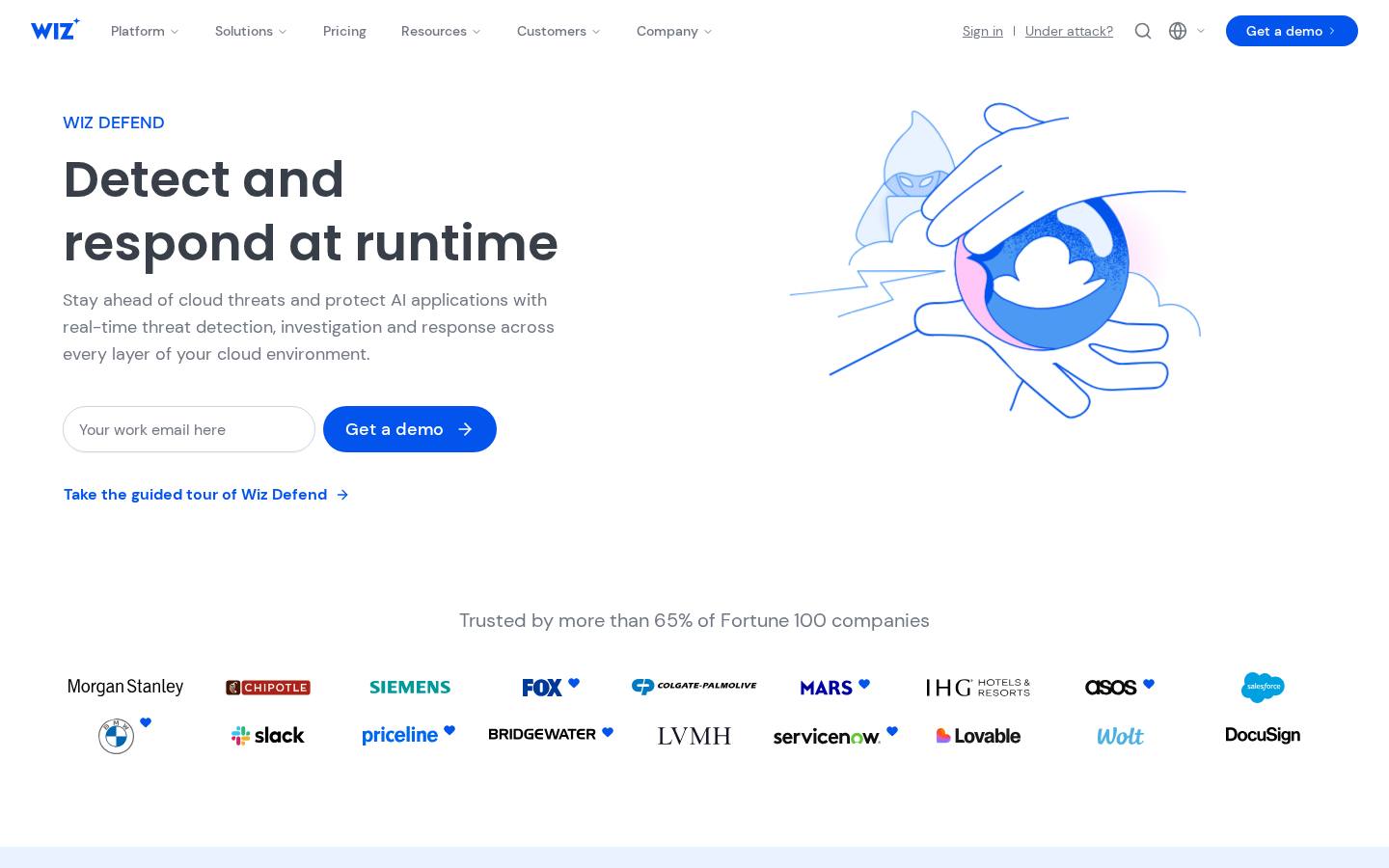
Wiz Defend combines eBPF runtime signals from the Wiz Sensor, cloud and SaaS log analysis, and Security Graph context so detections arrive with blast-radius narrative.
It fits teams already on Wiz who need response, not only posture findings.
Key features:
- Runtime sensor plus agentless cloud telemetry
- AI-assisted investigation narratives they document
- Cloud-native containment and workflow automation
- Threat intel and anomaly detection enriched by the graph
Why we like it:
Wiz customers who already trust the Security Graph get CDR without a second cloud inventory project.
Limits:
Commercial and strongest inside the Wiz platform. Confirm sensor rollout scope for real-time blocking.
License or pricing: Commercial. Platform packaging; confirm on 19 Sep 2026.
Sysdig Secure
Best for Kubernetes and container runtime CDR on Falco
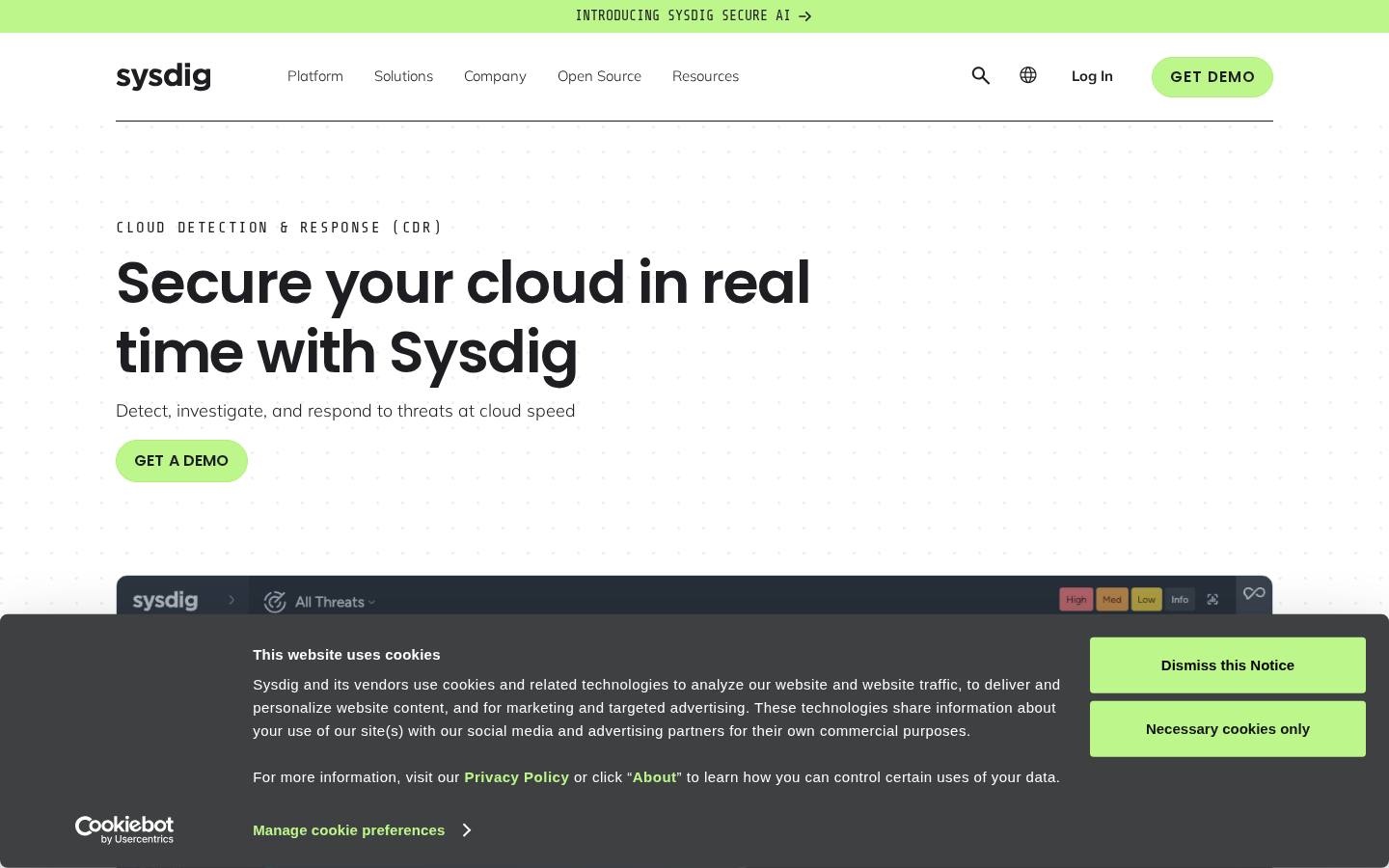
Sysdig Secure builds cloud detection and response on the Falco engine with eBPF runtime visibility across containers, Kubernetes, hosts, and cloud logs.
Pick it when sub-second container runtime detections matter more than pure agentless onboarding.
Key features:
- Falco-based real-time detection rules
- Cloud and identity context for investigations
- Automated response options they publish
- Coverage across Linux, Windows, containers, and serverless paths they list
Why we like it:
Kubernetes-first SOCs get a CDR path that speaks the same language as open Falco rules.
Limits:
Commercial with agents. Operating custom Falco rules still needs detection engineering time.
License or pricing: Commercial. Sales-quoted. Checked 19 Sep 2026.
Orca Security
Best for agentless-first cloud threat detection with optional runtime
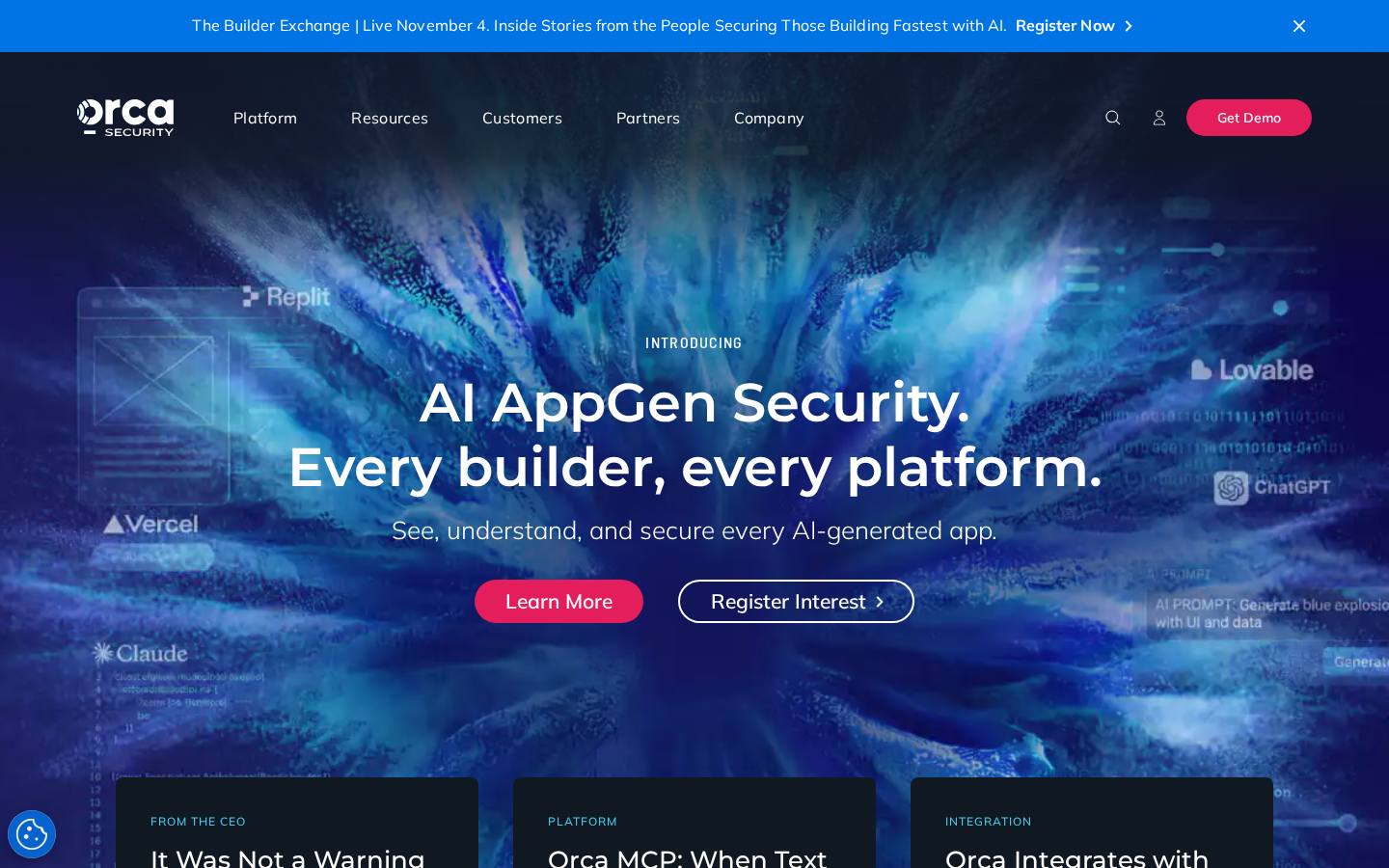
Orca emphasizes agentless SideScanning for cloud workloads and correlates cloud events for threat detection, with an optional eBPF sensor when real-time depth is required.
It fits estates that need fast coverage before agents land everywhere.
Key features:
- Agentless workload and cloud context
- Threat detection on cloud activity they document
- Optional runtime sensor for deeper visibility
- CNAPP-adjacent posture plus detection packaging
Why we like it:
Large multi-account clouds get detection signal without waiting on perfect agent coverage.
Limits:
Agentless models trade some ephemeral runtime fidelity. Confirm sensor plans for high-churn clusters.
License or pricing: Commercial. Sales-quoted. Checked 19 Sep 2026.
Falcon Cloud Security
Best when CrowdStrike already covers endpoints and cloud
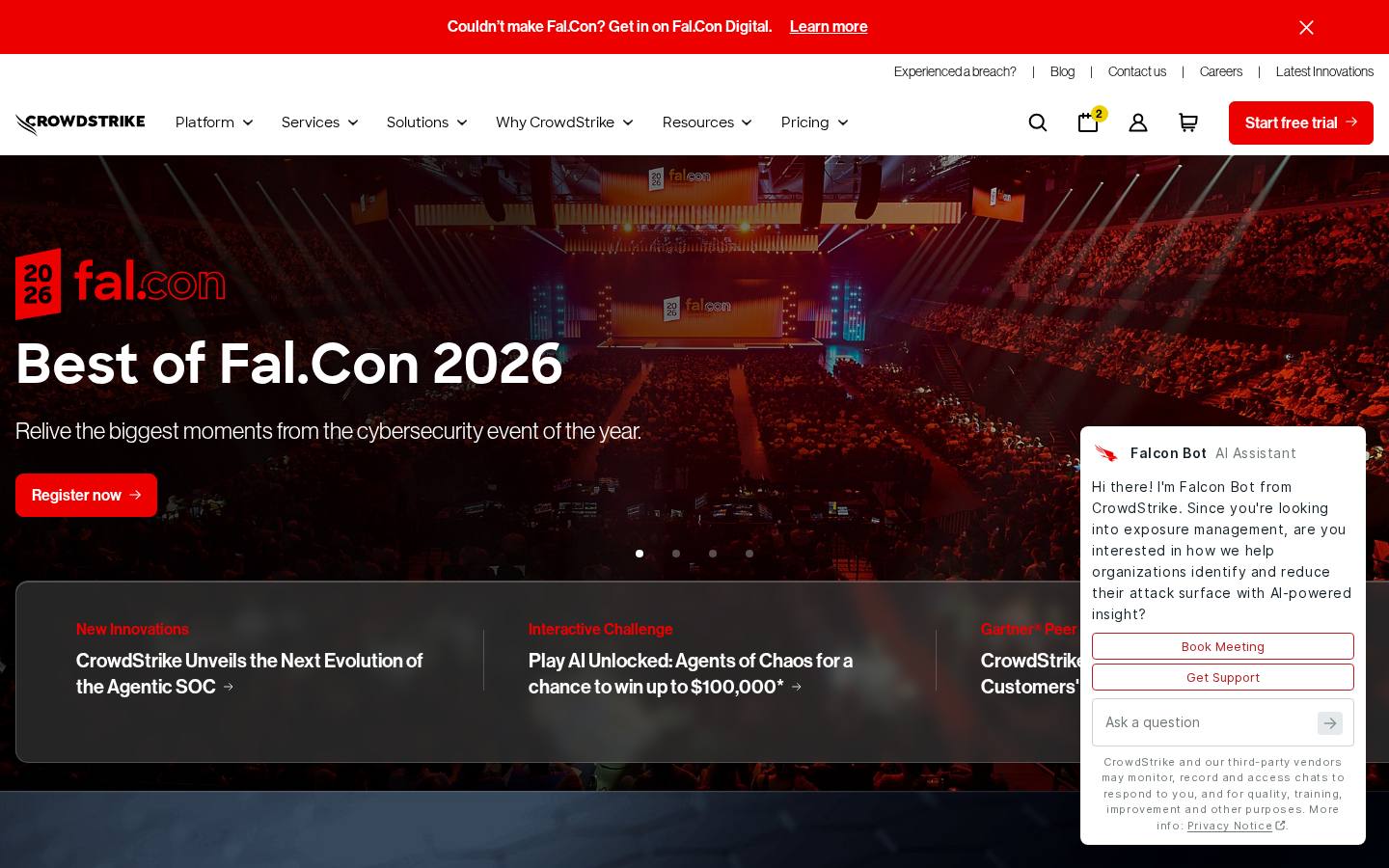
Falcon Cloud Security brings cloud threat detection and response into the CrowdStrike Falcon ecosystem, correlating cloud and workload signals with the broader Falcon operations model.
Choose it to reduce console sprawl when Falcon is already the SOC system of record.
Key features:
- Cloud and workload detections in Falcon packaging
- Correlation with endpoint and identity signals they emphasize
- Response workflows inside Falcon operations
- Enterprise support and sensor estate alignment
Why we like it:
Falcon-centric SOCs keep cloud investigations next to endpoint cases.
Limits:
Commercial and strongest with broad Falcon deployment. Pure Kubernetes eBPF specialists may still win niche bake-offs.
License or pricing: Commercial. Falcon module packaging; confirm on 19 Sep 2026.
Sweet Security
Best for a specialist CDR product motion
Sweet Security markets focused cloud detection and response for modern cloud estates, aiming at high-fidelity cloud threat workflows rather than a full CNAPP brochure.
It is the specialist pick when you want CDR without buying an entire posture suite first.
Key features:
- Cloud threat detection oriented packaging
- Investigation and response workflows they publish
- Modern cloud and runtime signal focus
- Specialist vendor motion versus megaplatform bundles
Why we like it:
Teams that already own CSPM but lack a serious cloud detection desk get a CDR-shaped product.
Limits:
Commercial and younger than megaplatforms. Validate integrations with your SIEM and ticketing in PoC.
License or pricing: Commercial. Sales-quoted. Checked 19 Sep 2026.
Falco
Best open CNCF runtime detection engine you operate
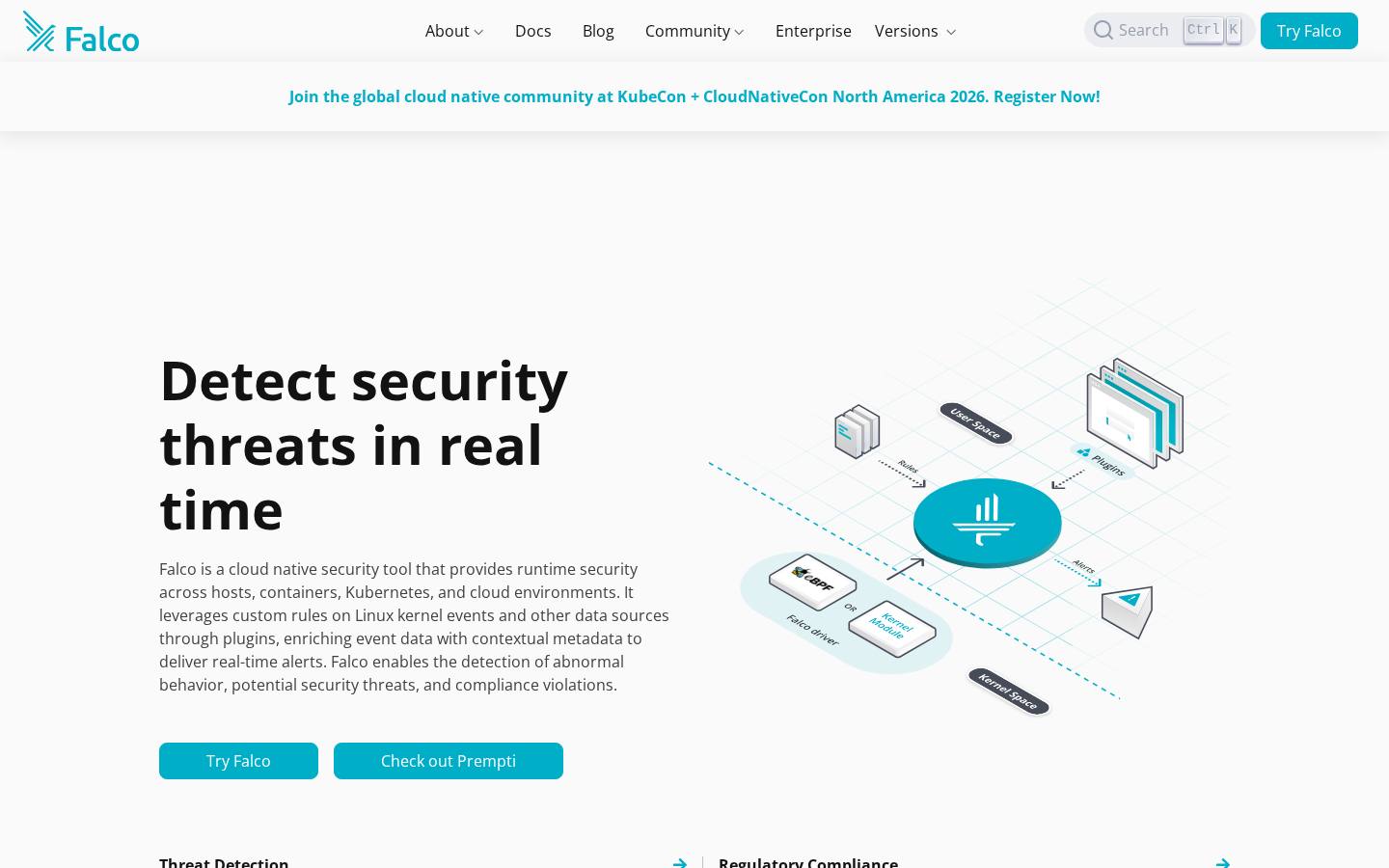
Falco is the CNCF open-source runtime security engine that detects unexpected behavior in hosts and containers using system call and related signals.
It is open detection content and an engine, not a managed CDR SaaS. Sysdig and others commercialize around it.
Key features:
- Open Falco rules and engine
- Kubernetes and container runtime focus
- CNCF governance and community rules
- Integrations into SIEM and response tooling in the ecosystem
Why we like it:
Detection engineers who need portable runtime rules keep Falco even after buying a commercial CDR console.
Limits:
You operate it. No enterprise case management by itself. Rule quality and tuning are on your team.
License or pricing: Open source (CNCF). Confirm license and support options on 19 Sep 2026.
How to choose a CDR tool
Four questions before the quote. Names are the shortlist, not a scored bake-off.
| Critical question | Why it matters | What to evaluate | Red flag |
|---|---|---|---|
| Do you need sub-second container runtime? | Escapes finish before snapshot scanners refresh. | Sysdig or Falco-depth paths; confirm agents. | Agentless-only when every threat is ephemeral. |
| Is Wiz or Falcon already the system of record? | Packaging beats feature bingo. | Wiz Defend or Falcon Cloud Security. | Forcing a fourth cloud console without owners. |
| Who investigates cloud alerts at 2am? | CDR without responders is noise. | Narrative investigation and containment hooks. | No on-call named in the PoC. |
| Can you run open rules first? | Cheap signal before enterprise CDR. | Falco under change control. | Skipping custom rules then blaming the platform. |
What practitioners argue about CDR
Threads are about runtime identity and headless operations, not logo heatmaps. Cloud detection fails when path-based assumptions meet modern loaders.
Hacker News
“I helped creating Falco (CNCF runtime security) and built this (Veto) to fix the path-based identity problem we all shipped a decade ago.”
Mar 2026 comment (linked in the Sysdig entry). Runtime identity assumptions still break detections.
Sysdig
“As attacks get faster and more automated, security tooling is going to need to evolve beyond dashboards and humans clicking through workflows all day.”
Sysdig Headless Cloud Security launch note on HN (May 2026 story). CDR buyers feel that operational pressure.
If posture and toxic combinations are still the gap, read CNAPP tools. For SaaS entitlement drift, use SSPM tools.
FAQs
Is CDR the same as CSPM?
No. CSPM finds misconfigurations and posture drift. CDR detects and responds to active threats in cloud runtimes, identities, and control-plane activity.
Do I need agents for CDR?
It depends. Agentless coverage is fast for many cloud threats. Sub-second container escapes usually need runtime sensors or Falco-depth agents.
Can Falco replace a commercial CDR platform?
Falco can express detections. It does not replace enterprise investigation, case workflow, or managed response packaging by itself.
Is this a scored bake-off?
No. Order is editorial.